The Right Way to Heat Press a DTF Transfer: Pre-Press, 150 to 160 °C for 10 to 15 Seconds, Peel, Re-Press, and the Neck Label
Published 11 October 2025
Most DTF complaints that arrive as 'the print peeled' are pressing mistakes, not film or powder. So here is the way we press every day, on an automatic press and on a cap press for the collar tag: garment pulled past the plate so pressure is even, a pre-press to flatten it, a short fuse at 150 to 160 degrees, peel, and a two-second re-press to lock it. Three minutes. The pad under the garment matters more than people think.
What the video shows
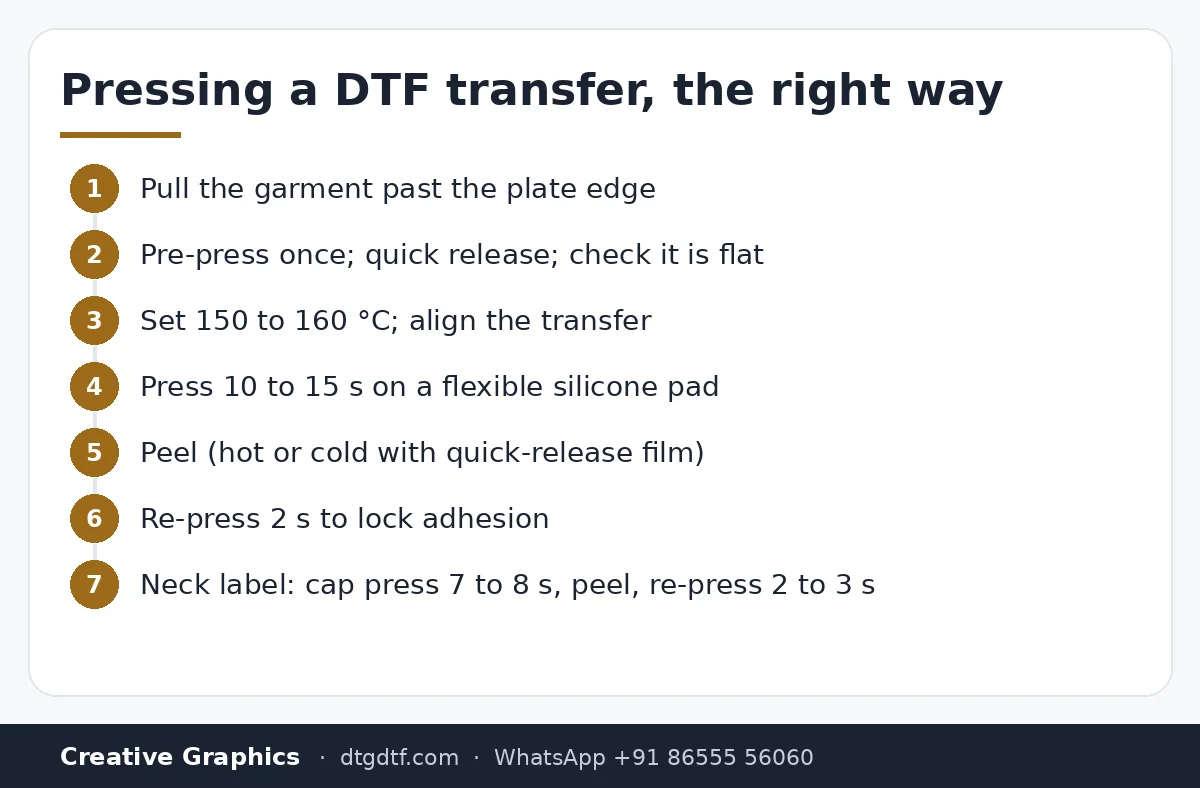
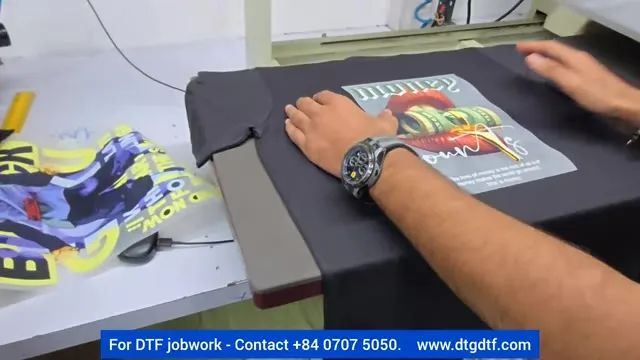
- 0:00 — Automatic press: take the fabric past the plate edge for even pressure
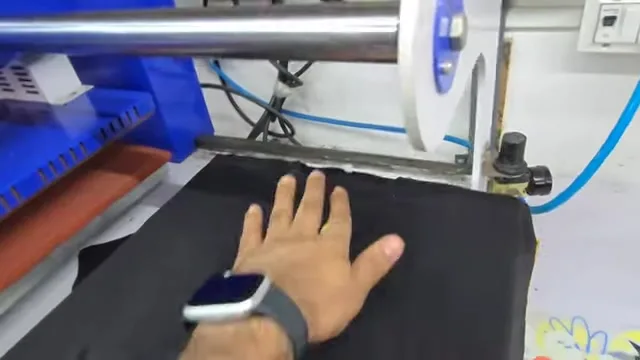
- 0:15 — Pre-press once; check the pressure; quick release
- 0:32 — Temperature set; fuse at 160 °C for 10 to 15 s
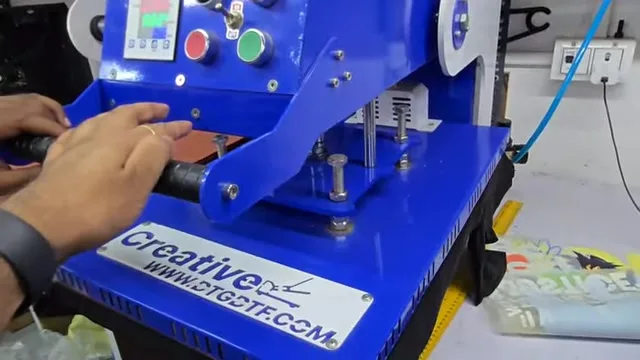
- 0:50 — The silicone pad must be flexible
- 1:08 — Align the transfer; press at 151 °C for 12 s
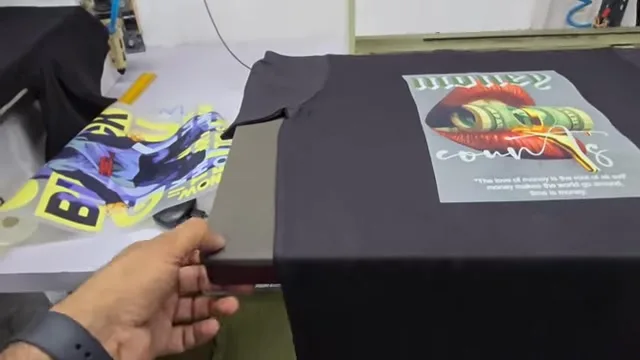
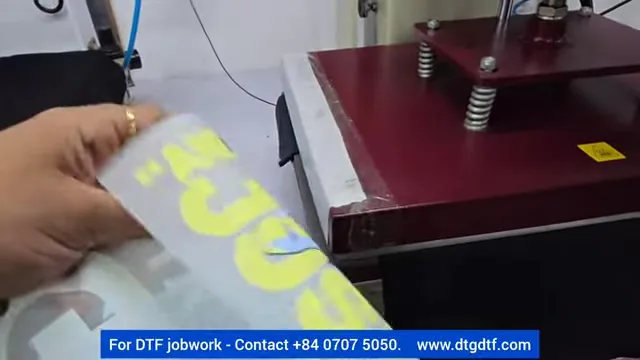
- 1:32 — Quick-release film: peel hot or cold, from either side
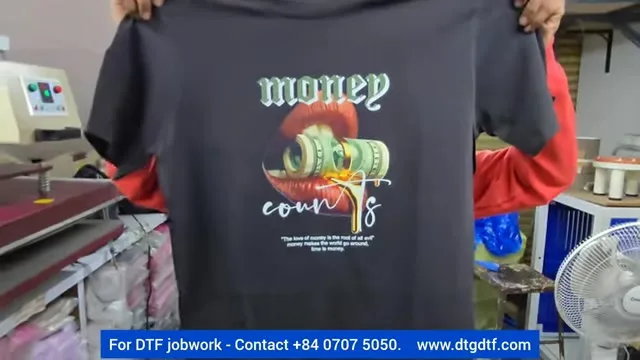
- 1:48 — Re-press two seconds to lock adhesion
- 2:20 — Indian presses take time to reach temperature
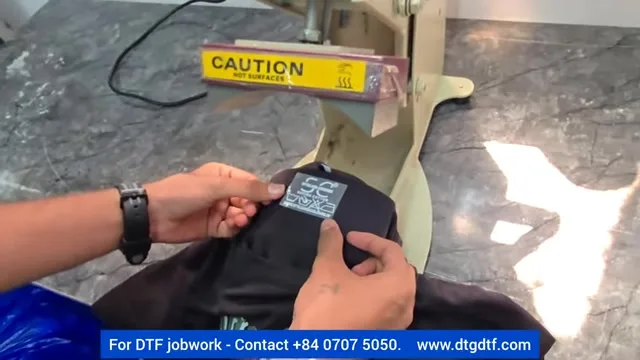
- 2:27 — Collar tag on the cap press, 7 to 8 seconds
- 2:50 — Wait, peel, second press of 2 to 3 seconds
Set the garment, then pre-press
On an automatic press, do not fold the shirt onto the plate; pull the collar and the excess past the plate edge so the printing area sits flat and the pressure is even across it. Press once empty to flatten the fabric and drive out moisture, then quick-release. If the garment is not flat after that, fix it before the transfer goes anywhere near it.
Temperature, time, pad
Fuse at 150 to 160 °C for 10 to 15 seconds; in the video the first press runs at 151 for 12 seconds. The pad under the garment has to be a flexible silicone: a hard or tired pad gives uneven pressure and the edges of the transfer lift later. That one part matters most.
Peel and re-press
With quick-release film you can peel immediately or let it cool; either way, from either side. Check the adhesion, then close the press for two more seconds. That second press is the step people skip and the reason prints come back.
The neck label
Collar tags go on the cap press, where the small curved plate reaches inside the collar. Seven to eight seconds, let it sit a moment, peel, then a second press of two to three seconds. Same logic as the front: a short re-press locks the adhesion. Indian presses take longer to reach temperature than imported ones; give them time rather than pressing early.
Equipment
Presses we use and sell: automatic 16 × 24 double bed and the heavy-duty 16 × 24. If prints still peel after this routine, read why DTF prints peel after washing; the powder side is in latex TPU. Transfers themselves: printing service.
Frequently asked questions
What temperature and time for DTF transfers?
150 to 160 °C for 10 to 15 seconds on a pre-pressed garment, then a two-second re-press after peeling.
Hot peel or cold peel?
With quick-release film, either. Peel from either side and check adhesion.
Why do my prints peel at the edges?
Uneven pressure: garment folded on the plate, a hard pad, or no re-press.
How do I press a neck label?
Cap press, 7 to 8 seconds, wait, peel, then 2 to 3 seconds again.
Why does my press take long to heat?
Indian presses heat slower than imports. Wait for the set temperature rather than pressing early.
Related guides
- DTF Printing Cost Per Meter — Real Numbers from a Print Shop
- What is DTF Printing? Direct-to-Film Explained Simply
Prints still peeling?
Send a photo of the peel and your press settings on WhatsApp.
WhatsApp +91 86555 56060More videos: DTF printing service and costs
- DTF Heat Transfer Stickers from ₹150 per Metre: What the Video Shows and What You Get
- Is Your Print Cracking After the First Wash? That's the Sticker, Not the Shirt
- What Else DTF Prints On: Tote Bags, Umbrellas, Leather Sleeves, Jute, Nylon, Single Colour or Full Colour
- The 16 × 24 Double-Bed Automatic Heat Press, 100 Percent Made in India: Die-Cast Aluminium, Replaceable Coil, Auto Mode, Emergency Stop
- Specialty Screen Printing Inks Up Close: High Density, Puff, Gel, Metallic and One-Stroke White, and Where DTF Takes Over
- The 16 × 24 Monster: An Indian Fully Automatic Heat Press With a One-Year Warranty and Even Temperature Across the Plate