What is DTF Printing? Direct-to-Film Explained Simply
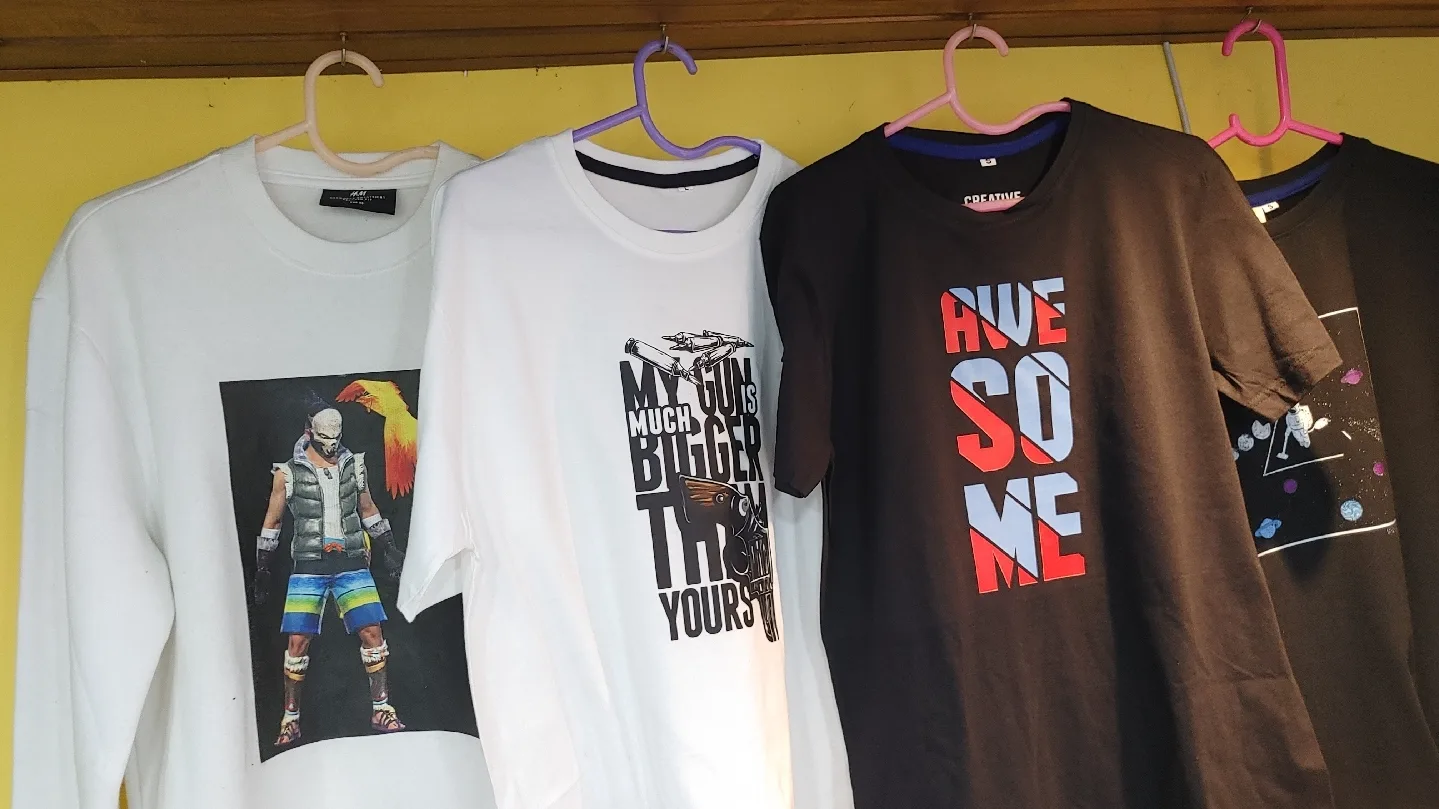
DTF (Direct-to-Film) printing is a garment decoration process in which a design is printed onto a specialised PET film using pigment inks, coated with hotmelt adhesive powder, and then permanently transferred onto fabric using a heat press. Unlike direct-to-garment (DTG) printing, the ink never touches the fabric during the printing stage — the film acts as an intermediate carrier, which is what makes DTF compatible with nearly every fabric type without pre-treatment.
If you run a print shop in India and you have been fielding orders for cotton tees, polyester jerseys, canvas bags, and denim jackets all at the same time, DTF is worth understanding in detail — because it is one of the few processes that handles all four without changing your workflow.
What Does DTF Stand For?
DTF stands for Direct-to-Film. The "film" refers to a transparent or matte PET (polyethylene terephthalate) film — typically 75 to 120 micron thick — onto which the design is printed in reverse. The process is sometimes confused with DTG (Direct-to-Garment) because both use inkjet-style print heads, but they are fundamentally different. In DTG, ink is deposited directly onto the fabric fibres. In DTF, ink is deposited onto a film, powdered, cured, and only then transferred. That distinction matters enormously for fabric compatibility and wash durability.
The DTF Printing Process: Step by Step
Step 1 — Design Preparation
The artwork is set up in RIP (Raster Image Processor) software such as ZigRoll, which separates the design into CMYK layers plus a white underbase channel. White ink is the backbone of DTF: it is printed as a flood coat beneath the colour layers so that prints on dark fabrics remain vibrant. The RIP also controls ink limits to prevent pooling on the film, which is especially relevant in high-humidity environments like Mumbai during the June–September monsoon season.
Step 2 — Printing onto PET Film
The design is printed in reverse (mirror image) onto the PET film. A DTF printer lays down colour first, then white on top — the opposite of screen printing logic. Modern DTF printers, including the X-ARC series, use industrial-grade Epson or equivalent print heads running water-based pigment inks at resolutions of 1440 dpi or higher. A standard A3+ print takes roughly 90–120 seconds depending on ink density settings.
Step 3 — Hotmelt Powder Application
While the ink is still wet, hotmelt adhesive powder (polyurethane-based, typically 80–120 micron particle size) is dusted evenly across the printed surface. Excess powder is shaken off. The powder adheres only where ink is present, which means there is no adhesive residue on blank film areas. This step is time-sensitive: if the ink dries before powdering, adhesion will be inconsistent. In a well-calibrated production line, printing and powdering happen in one continuous pass using an automatic powder shaker unit.
Tip — powder colour matters on dark fabric. White hotmelt powder can leave a faint pale outline where the adhesive sits just past the ink edge. On black and navy garments use a black TPU hotmelt powder instead — same curing and pressing settings, no visible halo around the transfer.
Step 4 — Curing the Powder
The powdered film passes through a curing oven or a tunnel dryer set between 120°C and 160°C. This melts and bonds the polyurethane adhesive into the ink layer, creating a single fused film — what the industry calls a "ready-to-press" transfer. Curing time is typically 2–3 minutes. Under-curing is one of the most common quality failures in Indian print shops: if the powder is not fully melted, the transfer will peel within five to ten washes.
Step 5 — Heat Pressing onto Fabric
The cured transfer film is placed ink-side down onto the garment. A heat press is applied at 160°C–170°C for 10–15 seconds at medium-to-firm pressure. The adhesive re-melts and bonds permanently with the fabric fibres. Parameters shift slightly depending on fabric: 100% cotton typically needs 165°C for 12 seconds; nylon and moisture-wicking polyester need lower temperatures (around 150°C) to avoid fabric damage.
Step 6 — Cold or Warm Peel
After pressing, the PET film is peeled away — either immediately (hot peel) or after 10–15 seconds of cooling (cold peel), depending on the film type specified by your supplier. Cold-peel films generally produce a slightly softer hand-feel. The choice of peel method also affects edge sharpness: hot peel can sometimes lift fine details if the operator is not careful.
Step 7 — Optional Second Press
Many experienced operators do a second press of 5 seconds with a silicon sheet or parchment paper over the bare print. This improves wash durability and reduces any slight gloss on the surface. It adds maybe 20 seconds per garment but is worth the habit for wholesale orders where returns are costly.
DTF vs. Sublimation vs. DTG: A Practical Comparison
| Parameter | DTF | Sublimation | DTG |
|---|---|---|---|
| Fabric compatibility | Cotton, polyester, blends, nylon, denim, leather | Polyester only (65%+ recommended) | Primarily 100% cotton |
| Dark fabric support | Yes — white underbase built in | No — dye is transparent | Yes — requires pre-treatment |
| Pre-treatment required | No | No | Yes (adds time and cost) |
| Minimum order quantity | 1 piece | 1 piece | 1 piece |
| Wash durability | 40–60 washes (correctly cured) | 50+ washes | 30–50 washes |
| Hand-feel | Slight film layer perceptible | Soft, part of fabric | Soft when done well |
| Setup cost (India) | From approx. ₹1.5L–₹4L for printer + press | From approx. ₹80K–₹2L | From approx. ₹3.5L–₹8L+ |
Common Misconceptions About DTF Printing
Misconception 1: DTF is just inkjet printing directly onto fabric
This is the single most common misunderstanding, and it conflates DTF with DTG. In DTF, the fabric never goes near the printer. The print head deposits ink onto PET film — a completely separate substrate. The fabric only enters the process at the heat press stage. This is why a DTF printer does not need to accommodate different garment thicknesses or have a platen system.
Misconception 2: DTF does not work on dark or black fabric
DTF was specifically designed to handle dark fabrics without the chemical pre-treatment that DTG requires. The white ink layer is printed first on the film (last to contact the fabric during transfer), creating an opaque base that makes colours appear exactly as designed, regardless of the garment's base colour.
Misconception 3: Any heat press will do
Temperature uniformity across the platen matters significantly. A low-quality heat press with ±15°C variation will produce inconsistent adhesion — some areas bond well, others peel within weeks. For production use, a press with ±3°C–±5°C uniformity and a digital timer is the minimum standard.
Misconception 4: DTF transfers last as long as sublimation
On polyester, sublimation dyes become part of the fibre and can outlast the garment itself. DTF transfers sit on top of the fabric surface. Properly cured DTF prints on cotton hold well for 40–60 wash cycles at 30°C–40°C, but they will not match the permanence of sublimation on polyester. Set honest expectations with your customers.
What DTF Printing is Best For
- Cotton and cotton-rich blends — the dominant fabric in Indian casualwear, which sublimation cannot handle
- Dark-coloured garments — the white underbase makes full-colour prints viable on navy, black, and charcoal
- Short-run and single-piece orders — no screen setup cost, no minimum quantity
- Multi-fabric product lines — one process covers tees, hoodies, caps, bags, and promotional merchandise
- Gang printing for efficiency — multiple designs can be nested on a single film roll and pressed individually, which reduces per-unit ink cost
Limitations You Should Know Before Investing
Stretch and athletic fabrics: On high-stretch fabrics (lycra, spandex blends above 15–20%), DTF transfers can crack under repeated stretching. The polyurethane adhesive has limited elongation. If your core business is sportswear or swimwear, sublimation on polyester-spandex is a better fit.
Hand-feel: DTF transfers have a perceptible film layer — it is not the same as a garment-dyed finish or a soft-hand screen print. On thinner fabrics like 140 gsm cotton singles, the transfer edge is noticeable to the touch. This is an inherent characteristic of the process, not a quality defect. Communicating this to end-customers upfront prevents complaints.
Ink and consumable costs in India: DTF pigment inks are subject to 18% GST. Quality white ink — the highest-consumption component — typically runs ₹2,500–₹4,500 per kg depending on brand and volume. Cutting corners with unbranded inks frequently causes print-head clogging, particularly during dry winters when ambient humidity drops below 40% in cities like Delhi and Ahmedabad.
Is DTF the Right Process for Your Print Shop?
If you are running a general-purpose print shop handling mixed fabric types, small order quantities, and full-colour artwork with no minimum run requirements, DTF is one of the most operationally flexible processes available in the Indian market today. The entry point is realistic — a capable A3+ setup with a quality heat press can be operational under ₹2.5L — and the learning curve, while real, is manageable within two to three weeks of consistent practice.
For specific guidance on equipment suited to your production volume, call us on +91 86555 56060 or reach out via WhatsApp at +91 96 9999 8080. If you want to test print quality before committing to machinery, Creative Graphics also offers a DTF printing service starting at ₹130 per metre — useful for gauging customer demand before capital expenditure.