Why the X-ARC Pro Is Different: Five Parts That Decide Whether a DTF Printer Works or Just Needs Maintenance
Published 25 May 2025
Why is the X-ARC Pro different from the other DTF printers? That is the question this two-minute clip answers, and the answer is not a feature list; it is five parts that, if nobody paid attention to them, make a printer that works less and needs maintenance more. I recorded it in Hindi for beginners choosing their first machine in 2025. Here is the English version, with the parts shown on the machine.
What the video shows
- 0:00 — Why the X-ARC Pro is different: the parts people ignore
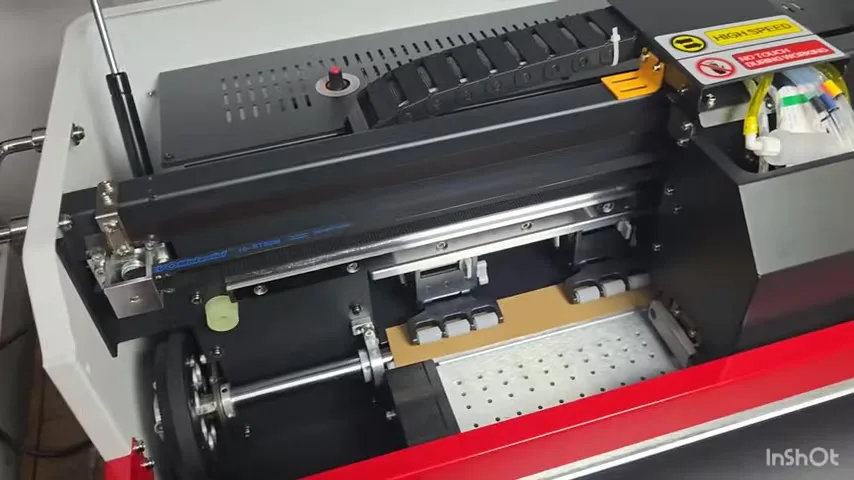
- 0:12 — 1. Heavy rail and weight: no less than 25 kg, fixable to the table
- 0:36 — 2. Vacuum and ink circulation synchronised with the head and mainboard
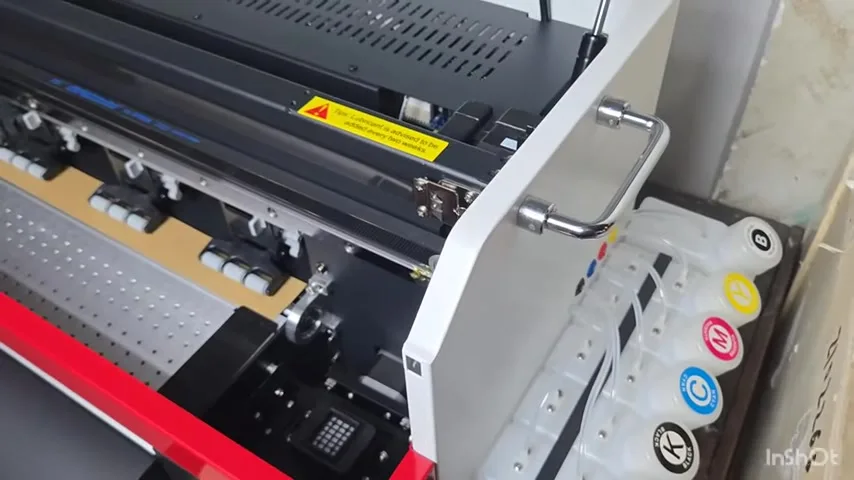
- 0:46 — 3. Capping station and CR motor: heavy-duty, and negative-pressure dampers
- 1:09 — 4. Anti-collision sensors on both sides; every part easy to reach
- 1:33 — 5. Branded RIP software, and inbuilt white ink circulation
1. The rail, and the weight of the machine
A DTF printer vibrates while it prints. If the rail the carriage runs on is light, that vibration becomes banding and, over months, wear. So the first thing I look at is weight: the printer should not be under 25 kg, and it should have some arrangement to be fixed to the table. That alone saves a lot of maintenance later.
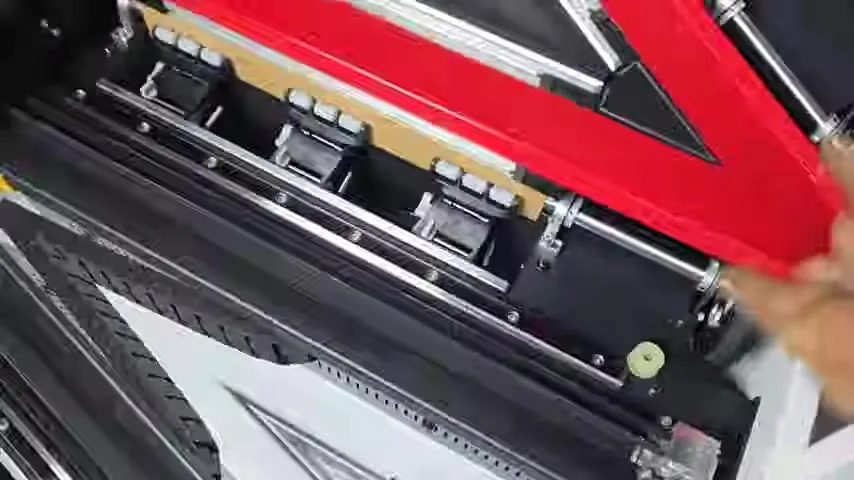
2. Vacuum and ink circulation, synchronised
The vacuum that holds the film flat must work in sync with the print head, not run on its own. The same goes for ink circulation: it should be controlled by the printer's mainboard, so white ink circulates when the machine decides it needs to, not on a separate timer that someone forgot to set.
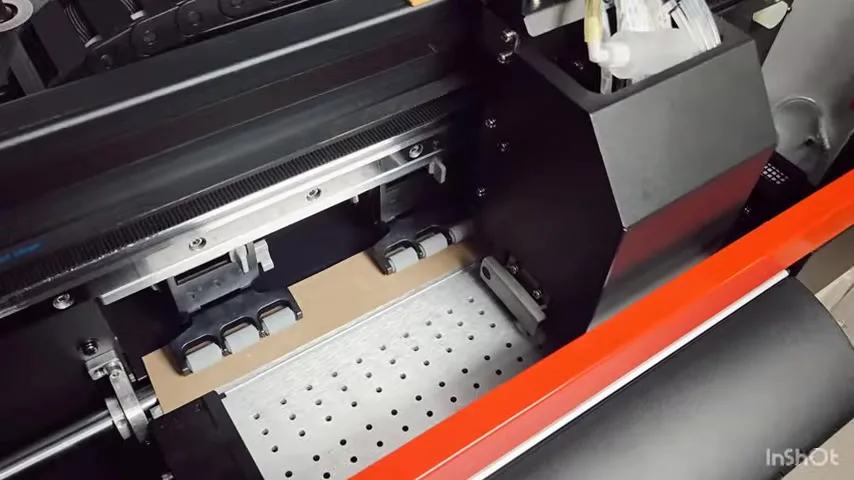
3. Capping station, CR motor, dampers
The capping station and the carriage (CR) motor take the most punishment on a DTF printer, so the mechanism has to be heavy-duty. And the dampers must be negative-pressure dampers. They are not cheap, but they last, and they decide both print quality and ink flow. The ones we fit are sold as spares too: XP600 / i3200 negative-pressure damper set.
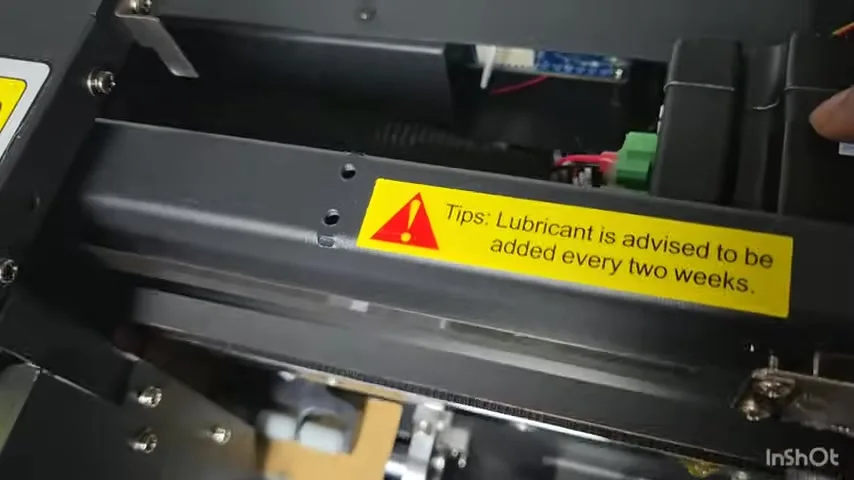
4. Anti-collision sensors, and access to everything
Sensors on both sides of the print head are a must; they are what stop the head from being destroyed by a lifted film edge. And every part you will ever service should be easy to reach: the head and its cleaning, the capping unit and its replacement. If you have to dismantle the printer to change a capping unit, you will put it off, and that is how heads die.
5. Branded RIP, and inbuilt white circulation
Use a branded RIP. Pirated software is where half the "printer problems" we get asked about actually live. And white ink circulation has to be built in and synchronised with the head, which brings us back to point two. The full video on the X-ARC Pro is linked from the description; the machine itself is here: X-ARC 600 PRO with automatic shaker, ₹1,49,000 + GST, one-year mainboard warranty, print head excluded after installation and testing.
Frequently asked questions
How heavy should a DTF printer be?
Not under 25 kg, with a way to fix it to the table. A light rail vibrates and that shows up as banding and wear.
Why does ink circulation need to be on the mainboard?
So it runs when the printer knows it should, in sync with printing, rather than on a separate timer.
What are negative-pressure dampers?
Dampers that hold a slight vacuum on the ink line so the head is fed evenly. They cost more than ordinary dampers but last, and they decide ink flow and print quality.
Why do you insist on anti-collision sensors?
They stop the carriage before the head can strike a lifted film edge. The head is the most expensive part of the printer.
Does the RIP matter that much?
Yes. Use a branded, licensed RIP. A large share of print problems we are asked about trace back to pirated software.
Related guides
- Best DTF Printer in India (2026) — Honest Comparison
- DTF Printer Buying Guide — What to Look For (and Avoid) in India
- XP600 vs i3200 Print Head — Which Should You Buy?
Compare your shortlisted printer against this list
Send me the model you are considering on WhatsApp and I will tell you which of the five it is missing.
WhatsApp +91 86555 56060